
ISSUES
Several issues must be resolved by council, to the satisfaction of rural ratepayers.
Click on the topics below to learn more.

We need a fair tax solution in Oakland-Wawanesa.
From 2015 to 2018, municipal taxes paid by rural landowners increased nearly 40%. Basic taxes paid by Wawanesa residents dropped 31%.
Since the 2015 amalgamation, Oakland has contributed at least 85% towards the municipality’s so-called shared services, compared to 15% from Wawanesa. In 2018, the split changed to 86%-14%.
Is it fair for Oakland with 65% of the municipal population to pay 86%?
The problem is two-part but the solution is one-step simple.
The first problem…property assessments done by the Manitoba government have pushed farmland values to all-time highs.
The second problem…municipal council has increased mill rates on rural property every year since amalgamation.
This double-whammy of higher land values and higher mill rates has netted council a windfall of additional taxes.
Municipal spending increased nearly 30% from 2015 to 2019, fueled by new rural tax money.
With higher property values, council could have reduced the mill rates in high assessment years and still collected the same amount of taxes. Instead, council raised rural and at-large mill rates, then blamed the province when Oakland residents complained.
Council has been treating rural taxpayers like the municipal ATM when it comes to paying for shared services including office staff and the fire department.
A fair tax solution is needed to restore equality and value for dollar.

Council has turned a proposal with potential value into a political game as murky as river water.
The game began February 2018, at a public meeting about supplying municipal water to rural homes.
The head of council promised to survey ratepayers, suggesting 50% plus one would be necessary to move ahead with a rural water cooperative.
A few months later, council parked the idea of asking residents’ opinions and voted instead to spend $25,000 on an engineering study to determine where the water would come from, how much it would cost and other details.
This happened at the same time Wawanesa was anxiously trying to locate a new water source for villagers.
Wawanesa’s water woes were not new. Before amalgamation, the Manitoba government had told village council that existing wells were no longer adequate.
A drillers’ report in 2014 determined the best option would be piping water from the aquifer under Glenboro-South Cypress Municipality
But in the summer of 2018, Wawanesa found a much cheaper solution, drilling a new well within sight of its existing wells.
Soon after, Oakland’s water proposal lurched ahead. Our newly-elected council voted in December 2018 to delay a water study until rural residents were surveyed.
The Oakland water survey, conducted in March 2019, found that 59% of respondents were not concerned with the quality or quantity of their current water source.
Despite the results, council is proceeding to the next step in developing a rural water system.
Clearly, no one should stand between their neighbours and water. But what is the process?
The survey became a political tool rather than a genuine effort to gather meaningful information in what could be the largest, most costly project in Oakland’s history.
Council’s handling of the project to-date has divided rural residents and raised familiar fears that something is happening and we’re not being told everything.
When councils in other municipalities have problems, they often remark, “At least we’re not as bad as Oakland-Wawanesa.”
Sadly, our council’s conduct since the 2015 amalgamation has tarnished the municipality’s reputation among local residents and beyond our borders.
A short list of trouble would include a $250,000 lawsuit by disgruntled employees, numerous threats of legal action between council members, censure, public shaming, social media feuds and the resignations of four elected officials.
Council does not need a bigger stick to bash opponents.
Elected to lead, council needs to work together to find solutions that are “Fair for All” and best for the entire community.
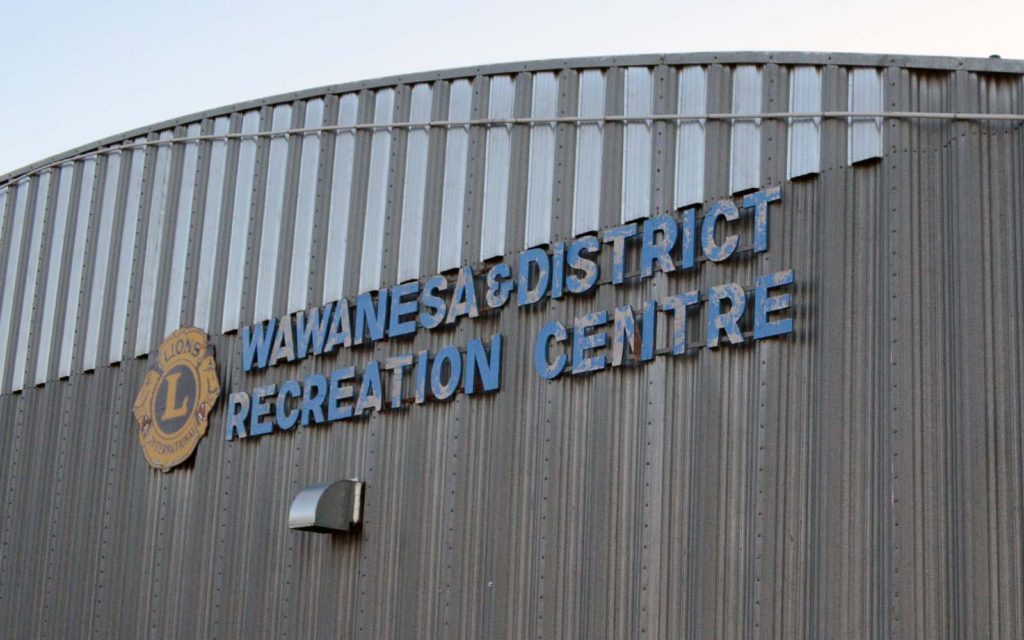
The arenas and water park in Wawanesa could become costly problems for Oakland residents.
Currently, the facilities are community-owned and receive yearly grants from the municipality. Since 2014, grants have increased from $55,900 to $76,300.
But the arena’s ice-making plant needs an overhaul and the washrooms need upgrading. That’s a $1-million project but no money has been set aside during almost 50 years of operations to cover the cost. Nothing.
Helping fund the project is one thing but the municipality is becoming more and more entangled in these facilities with each passing year.
Council voted in 2016 to write-off a $15,000 debt owed by the waterpark.
Council agreed in 2017 to take over book-keeping duties for the Souris River Recreation Commission, which operates the arenas and waterpark.
In late 2018, council was asked to consider paying for rink upgrades and funding a full-time facilities manager job.
Meantime, statistics from 2017 indicate that only 7% of Oakland residents use Wawanesa’s arenas.
Without a doubt, rinks and pools add greatly to any community. However, they are costly to operate and maintain.
Does council have the mandate to justify ownership or large-scale funding of the village’s arena and pool facilities?
Rural life is under attack. Has been for 50 years. But that same old song has sad new verses and a faster tempo.
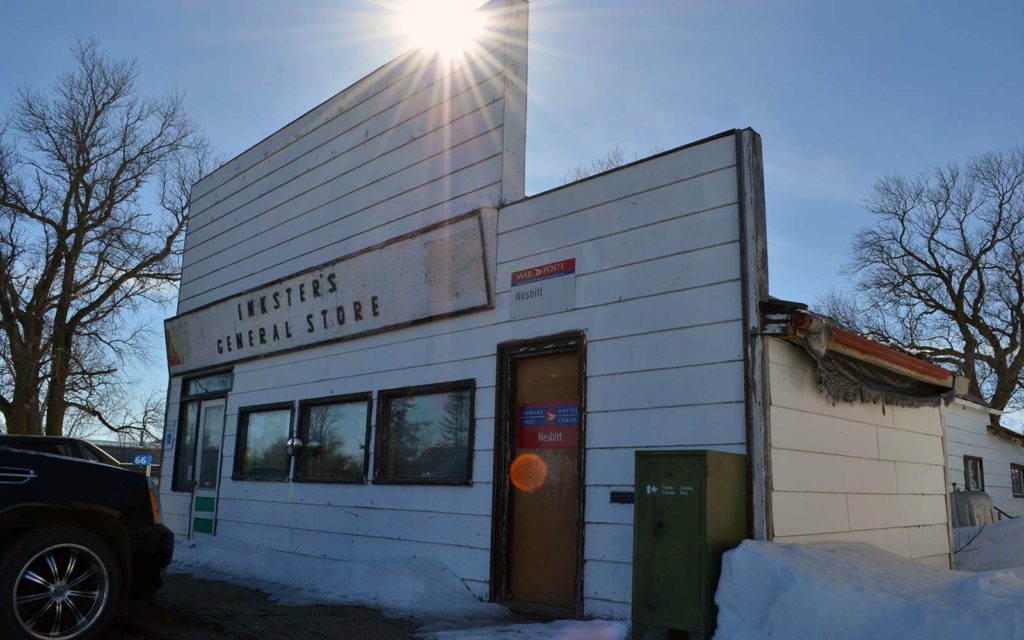
Oakland lost the Carroll post office in 2018 and Nesbitt is next, with the passing of its postmaster. The community’s coffee shop is also likely finished.
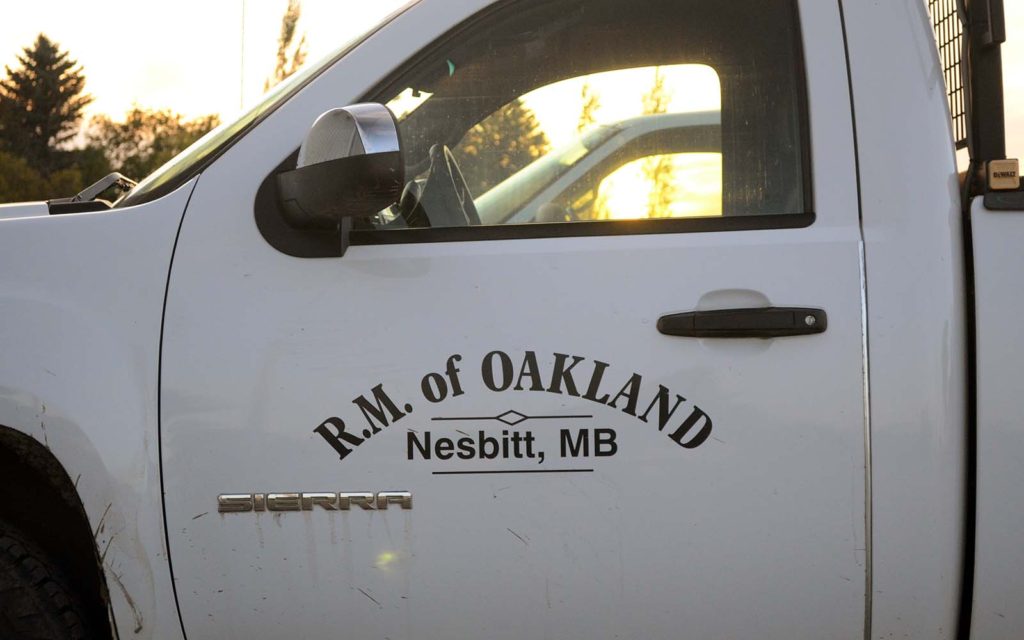
Next could be Nesbitt’s municipal office and shop. Money is set aside for replacements but the critical question is where to build?
Not one councillor supported a resolution at the March 2019 meeting to commit to keeping the office and shop in Nesbitt.
Second verse…same as the first…
The provincial government intends to close down Oakland residents’ nearest ambulance station in Wawanesa and add staff 25-minutes down the highway in Glenboro.
An education review now underway in Manitoba may eliminate a level of community involvement in rural schools. Southwest Horizon, which operates schools in Wawanesa and Souris, is vulnerable because of falling enrollment and increasing costs.
Yet, Oakland residents have seen their municipal property taxes increase regularly since the 2015 amalgamation with Wawanesa, while village tax rates have dropped.
The erosion of rural services is a sad, familiar refrain. We need to start writing a new tune.
We need a fair tax solution in Oakland-Wawanesa.
From 2015 to 2018, municipal taxes paid by rural landowners increased nearly 40%. Basic taxes paid by Wawanesa residents dropped 31%.
Since the 2015 amalgamation, Oakland has contributed at least 85% towards the municipality’s so-called shared services, compared to 15% from Wawanesa. In 2018, the split changed to 86%-14%.
Is it fair for Oakland with 65% of the municipal population to pay 86%?
The problem is two-part but the solution is one-step simple.
The first problem…property assessments done by the Manitoba government have pushed farmland values to all-time highs.
The second problem…municipal council has increased mill rates on rural property every year since amalgamation.
This double-whammy of higher land values and higher mill rates has netted council a windfall of additional taxes.
Municipal spending increased nearly 30% from 2015 to 2019, fueled by new rural tax money.
With higher property values, council could have reduced the mill rates in high assessment years and still collected the same amount of taxes. Instead, council raised rural and at-large mill rates, then blamed the province when Oakland residents complained.
Council has been treating rural taxpayers like the municipal ATM when it comes to paying for shared services including office staff and the fire department.
A fair tax solution is needed to restore equality and value for dollar.
Like partners in a bad marriage, Oakland and Wawanesa are still fighting after four years together.
Money and trust are issues.
Forced to merge in 2015 because of provincial legislation, Wawanesa has managed to control council’s agenda and voting with only two elected councillors to Oakland’s four.
Although separate tax rates are set for urban and rural properties, with a third to fund shared costs, rural taxpayers pay 86% of shared services while Wawanesa residents pay 14%. This imbalance exists even though Oakland has only 65% of the municipality’s population.
The budgeting stokes rural suspicion about amalagamation, especially when taxes have consistently dropped in Wawanesa while increasing significantly for Oakland folks.
Repeated efforts by rural councillors to correct the budget imbalance have been thwarted by other elected officials.
Yes, the provincial government forced amalgamations onto municipalities.
Yes, the Oakland-Wawanesa amalgamation has been poorly executed and remains contentious.
Yes, four rural council members have resigned since amalgamation, including two who directly blame a Wawanesa bias in council decisions for their exit.
Now more than ever, rural residents need strong, vocal councillors to properly represent their needs – whichever direction the amalgamated municipality is heading.
News and Views
Click here to see articles and video about the Municipality of Oakland-Wawanesa.
Municipal Info
Find somewhat interesting and usually factual facts about the municipality here.
About Glen
A long-time journalist, Glen moved to Oakland-Wawanesa in 2013.